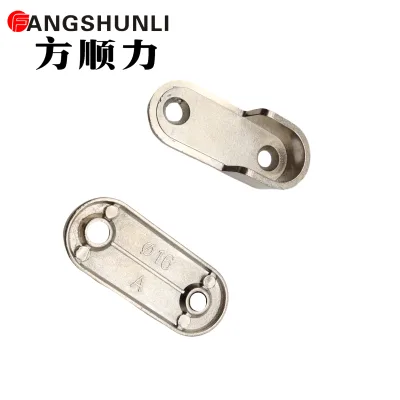
Source customized encircled wardrobe supports for closets, shelves, and rails
Explore 30 listings for customized encircled wardrobe supports designed for closets, glass shelves, and wardrobe rails. Buyers can compare specifications, materials, and packaging options to find the right hardware for their projects.
Key considerations
Products List




Comprehensive Sourcing Guide
Strategic Sourcing Guide for Customized Encircled Wardrobe Supports
The global demand for specialized furniture hardware has driven a significant shift toward customized encircled wardrobe supports. These components are critical for modern storage solutions, offering structural integrity while allowing for aesthetic flexibility in closet and wardrobe designs. For procurement professionals, navigating this market requires a disciplined approach that balances technical precision with supply chain reliability. The following guide outlines the essential factors for sourcing these hardware items, drawing upon verified product attributes and industry standards to ensure a robust procurement strategy.
Understanding Technical Specifications and Variability
When evaluating customized encircled wardrobe supports, the first step is to analyze the technical specifications that define the product's physical and functional characteristics. The market presents a diverse range of options, and buyers must distinguish between standard configurations and bespoke requirements. A primary observation in the current supply landscape is the variation in material composition. High-quality supports are frequently manufactured from Zinc Alloy, a material chosen for its durability and resistance to corrosion. This material choice is often paired with specific surface finishes, such as Nickel Plating or Chrome Plating, to enhance both aesthetic appeal and longevity in humid environments like bathrooms or kitchens.
Dimensional accuracy is another critical technical parameter. Specifications for diameter and size vary significantly depending on the intended application. For instance, some units are designed with a diameter of 5mm or 7mm, while others may feature larger dimensions such as 22mm or 26.5mm in length. The thickness and overall size, such as 2220.5H12mm or L26.5W13.6T8mm, dictate the load-bearing capacity and the specific hardware they can support. Buyers must verify that the selected support matches the thickness of the board or glass shelf it will secure. Evidence suggests that certain models are specifically suitable for 18mm boards, while others are engineered for 8/12mm glass shelves. Furthermore, the compatibility with tubes ranging from 16mm to 25mm is a common requirement for encircled designs, ensuring a secure fit around the structural elements of the wardrobe.
The distinction between fixed and unfixed mechanisms is also paramount. While some products are designed as fixed units to provide permanent stability, others offer an unfixed configuration that allows for adjustability. This variability impacts the installation process and the final user experience. Additionally, the inclusion of ancillary components, such as an iron bolt of specific lengths (e.g., L16mm), can be a deciding factor in the completeness of the product offering. Procurement teams must ensure that the product model number, such as HT-12.009 or SS035, aligns precisely with the technical drawings required for their specific project.
Compliance, Certification, and Material Standards
In the realm of furniture hardware, compliance and certification serve as the bedrock of trust between suppliers and buyers. While specific certification statuses like FSC may appear in background data, buyers should not assume that every listed product carries these endorsements without direct verification. The absence of explicit certification data in general product listings necessitates a proactive approach to due diligence. Buyers must request current certification documents from potential suppliers to confirm adherence to international safety and environmental standards.
Material standards are equally important. The use of Zinc Alloy is a common industry baseline, but the quality of the alloy and the plating process can vary. For example, a Nickel Plated finish requires specific electroplating standards to ensure the coating does not peel or tarnish over time. Similarly, Chrome Plated finishes must meet specific thickness and adhesion requirements to withstand daily wear and tear. Buyers should verify that the supplier adheres to recognized plating standards, which often dictate the minimum thickness of the metal layer and the salt spray resistance duration.
Furthermore, the concept of "Customized" versus "Non-Customized" plays a significant role in compliance. Products labeled as customized often undergo a unique production process that may not be covered by standard mass-production certifications. Buyers must clarify whether the customization affects the material integrity or the safety ratings of the final product. If a product is marketed as a "Customized" item, the supplier must provide evidence that the custom modifications do not compromise the structural safety of the hardware. This verification is crucial for maintaining liability protection and ensuring the final furniture assembly meets building codes and safety regulations.
Cost Drivers and Pricing Dynamics
The pricing structure for customized encircled wardrobe supports is influenced by a complex interplay of factors, including material costs, customization complexity, and order volume. The observed price range in the market can vary from nominal figures to higher tiers depending on the specific configuration. However, buyers should be cautious of extremely low prices, as they may indicate compromised material quality or non-compliant manufacturing processes. The cost is heavily driven by the choice of material; Zinc Alloy is generally more expensive than standard steel alternatives due to its superior corrosion resistance and weight characteristics.
Customization is a primary cost driver. Products that require specific dimensions, unique finishes, or tailored packaging incur higher production costs. For instance, a product with a specific model number like HT-12.075 may have a different cost structure compared to a standard HT-12.009 due to the complexity of the tooling required. Additionally, the packaging requirements, such as 10,000 pieces per carton versus 500 pieces per carton, affect the logistics and handling costs, which are often factored into the final unit price.
Minimum Order Quantity (MOQ) is another critical factor influencing the total cost of ownership. The market shows a wide range of MOQs, from as low as 10 units to as high as 2,000,000 units. High MOQs can significantly reduce the unit price but require substantial capital investment and storage capacity. Conversely, low MOQs offer flexibility for small projects but result in higher per-unit costs. Buyers must calculate the total cost of ownership, including the MOQ requirement, to determine the most economical purchasing strategy. It is also essential to note that the "Selling Units" may be listed as single items, but the actual transaction often requires adherence to the supplier's MOQ policy.
Typical Applications and Usage Scenarios
Customized encircled wardrobe supports are versatile components designed for a variety of furniture applications. The primary use case is in closet and wardrobe systems, where they serve as rail supports or hanging holders. These supports are essential for creating open shelving units or dividing large wardrobe spaces into functional zones. The specific suitability of a support for a particular application depends on the thickness of the materials it will hold. For example, supports designed for 18mm boards are ideal for standard wooden wardrobes, while those suitable for 8/12mm glass shelves are intended for modern, high-end display units.
The versatility of these products extends to their compatibility with different structural elements. Supports that accommodate tubes ranging from 16mm to 25mm are particularly valuable for modular furniture systems where the structural framework may vary. This adaptability allows manufacturers to use a single type of support across multiple product lines, simplifying inventory management and reducing production complexity. The "Kind" of the product, often classified as "Fasten," indicates its role in securing components together, ensuring that the wardrobe remains stable under load.
In addition to residential applications, these supports are increasingly used in commercial settings such as hotels, offices, and retail stores. The demand for durable, aesthetically pleasing hardware in these environments drives the need for customized solutions that match the interior design theme. The "Product Name" often reflects these applications, such as "Furniture Wardrobe Hanging Holders," highlighting their specific function. Buyers should consider the environmental conditions of the intended application; for instance, humid environments require finishes that offer superior corrosion resistance, such as Nickel Plating or Chrome Plating, to prevent degradation over time.
Supplier Evaluation and Service Capabilities
Selecting the right supplier is a critical step in the procurement process, requiring a thorough evaluation of their capabilities and service offerings. The market includes suppliers who offer OEM (Original Equipment Manufacturer) and ODM (Original Design Manufacturer) services, allowing buyers to customize products to their specific brand and design requirements. The presence of a "Service: OEM/ODM" attribute indicates that the supplier has the flexibility to adapt their production lines to meet unique client needs. This is particularly important for buyers seeking branded hardware that aligns with their company's identity.
Supplier location and origin are also key considerations. Most of the observed products originate from China, a major hub for furniture hardware manufacturing. This location offers access to a vast supply chain and competitive pricing. However, buyers must verify the specific production facilities and quality control measures in place. The "Brand Name" associated with the product, such as Fangshunli, can provide insight into the supplier's reputation and market presence. Buyers should investigate the brand's history and customer feedback to ensure reliability.
Lead time is another critical factor in supplier evaluation. The observed delivery time ranges from 15 to 25 days, which is a standard timeframe for customized hardware production. Buyers must confirm this lead time with the supplier, as it can vary based on the complexity of the order and the current production schedule. A supplier with a consistent track record of meeting delivery deadlines is essential for maintaining project timelines. Additionally, the "Packing" specifications, such as 2000 pieces per carton, should be verified to ensure they meet the buyer's logistics requirements.
Quality Control and Long-Term Procurement Strategies
Ensuring the quality of customized encircled wardrobe supports requires a robust quality control (QC) strategy. Buyers should implement a multi-stage QC process that includes pre-production sampling, in-process inspection, and final random inspection. The "Condition" of the product is typically listed as "New," but this does not guarantee the absence of defects. Buyers must request detailed inspection reports that cover dimensions, surface finish, and structural integrity. The "Weight" of the product, which can range from 0.7g/PC to 18g, serves as a useful indicator of material density and quality. Significant deviations from the expected weight may indicate the use of inferior materials or manufacturing errors.
Long-term procurement considerations involve building a sustainable relationship with suppliers. This includes establishing clear communication channels, defining quality expectations, and agreeing on dispute resolution mechanisms. Buyers should also consider the scalability of the supplier's production capacity. As the buyer's demand grows, the supplier must be able to increase output without compromising quality. The "Customization" availability is a key indicator of a supplier's flexibility; a supplier that can easily accommodate design changes is better positioned to support long-term growth.
Finally, buyers should monitor market trends and technological advancements in furniture hardware. The industry is constantly evolving, with new materials and finishes emerging regularly. Staying informed about these developments allows buyers to make proactive decisions that enhance the quality and functionality of their products. By maintaining a disciplined approach to sourcing, buyers can ensure a steady supply of high-quality customized encircled wardrobe supports that meet their specific needs and expectations.
Comparative Analysis of Product Attributes
To facilitate informed decision-making, the following table summarizes key attributes observed in the market for customized encircled wardrobe supports. This comparison highlights the variability in specifications and helps buyers identify the most suitable options for their projects.
| Attribute | Observed Value Range | Relevance to Procurement |
|---|---|---|
| Material | Zinc Alloy | Determines durability and corrosion resistance. |
| Finish | Nickel Plated, Chrome Plated | Affects aesthetics and environmental resistance. |
| Diameter | 5mm, 7mm | Critical for fitting specific tube sizes. |
| Size | 2220.5H12mm, L26.5W13.6T8mm | Dictates load capacity and board compatibility. |
| Suitability | 18mm Board, 8/12mm Glass | Ensures correct application for specific furniture types. |
| MOQ | 10 - 2,000,000 PCS | Influences unit cost and inventory strategy. |
| Lead Time | 15-25 Days | Impacts project scheduling and delivery planning. |
| Packing | 500 - 10,000 PCS/CTN | Affects logistics and storage requirements. |
| Customization | Available, Customized | Enables brand alignment and specific design needs. |
This table underscores the importance of verifying each attribute against the specific requirements of the procurement project. By carefully analyzing these factors, buyers can mitigate risks and secure a reliable supply of high-quality hardware.
FAQs
What material is used for customized encircled wardrobe supports?
Zinc Alloy is the primary material used for these supports, chosen for its durability and corrosion resistance. This material is often paired with Nickel Plated or Chrome Plated finishes to enhance longevity in humid environments.
Which specifications are available for the product diameter and size?
Available specifications include diameters of 5mm or 7mm, and sizes such as 22*20.5*H12mm or L26.5*W13.6*T8mm. Buyers must verify that the selected support matches the thickness of the board or glass shelf it will secure.
Can these supports be customized for specific board thicknesses?
Yes, customization is available for specific applications like 18mm boards or 8/12mm glass shelves. Some models also accommodate tubes ranging from 16mm to 25mm, ensuring a secure fit around structural elements.
What is the typical lead time for delivery of these items?
The typical delivery time ranges from 15 to 25 days for customized production. Buyers should confirm this lead time with the supplier as it may vary based on order complexity and current production schedules.
How does the minimum order quantity affect the purchasing strategy?
Minimum order quantities range from 10 to 2,000,000 units, significantly impacting the unit price and capital investment. High MOQs reduce unit costs but require substantial storage, while low MOQs offer flexibility for smaller projects.
Which surface finishes are commonly applied to these hardware items?
Common surface finishes include Nickel Plated and Chrome Plated options to enhance aesthetic appeal and corrosion resistance. These finishes must meet specific thickness and adhesion requirements to withstand daily wear and tear.
What is the origin location for most of these furniture hardware products?
Most of the observed products originate from China, a major hub for furniture hardware manufacturing. This location offers access to a vast supply chain and competitive pricing for global procurement professionals.